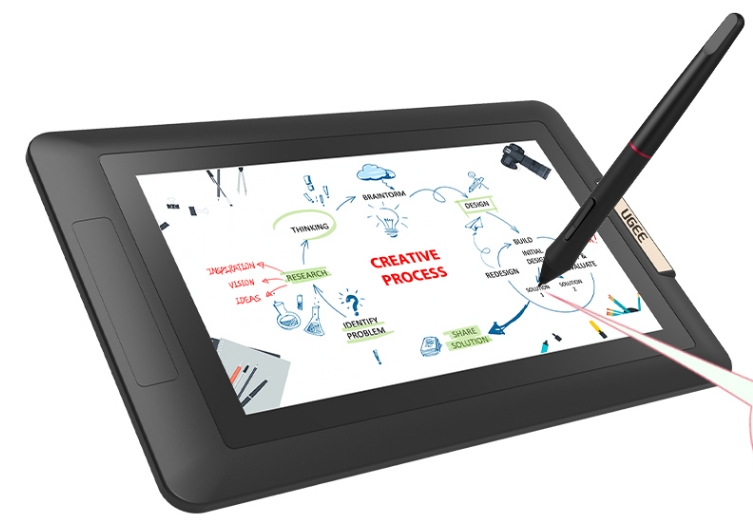
Are Most Electronic Signature Pads Equipped with LCD Screens?
The electronic signature pads widely used in banks, government service counters, and insurance offices are predominantly equipped with LCD (liquid crystal display) screens. E-paper (electronic ink) signature pads represent only a small, niche segment and have not become a mainstream market offering. According to a global signature pad market report by Verified Market Reports, as well as the published product specifications from leading manufacturers like Wacom and UGEE, LCD-based models account for the vast majority of signature pads that feature a display.
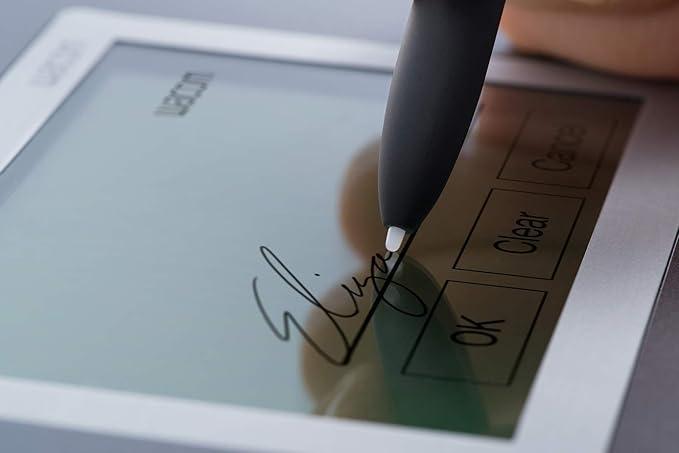
Electronic signature pads generally fall into two categories: those without a screen—which consist solely of an electromagnetic induction area and require files to be previewed on a separate computer—and those with an integrated display. The latter, commonly referred to as "electronic signature pads," allow contracts and notices to be shown directly on the device, enabling users to sign by hand while viewing the content on the screen. Most of the units procured for use at service counters are of this display-equipped variety, and these almost exclusively utilize LCD technology.
The advantages of LCD-based signature pads align perfectly with the requirements of in-person business environments. First, their self-illuminated color displays can fully render text, graphics, forms, and QR codes; once a signature is captured, the screen can even cycle through promotional materials—a feature well-suited for the multi-informational display needs of banks and telecommunications operators. Second, LCDs offer fast response times, minimal latency for handwritten input, and stable pressure sensitivity. Supporting 2,048 or more levels of pressure sensitivity, they meet the requirements for capturing the dynamic handwriting data necessary for the legal evidentiary validity of electronic signatures. Furthermore, the supply chain is mature, with stable mass production of 5-inch and 10.1-inch IPS-LCD solutions at manageable costs, making them the preferred choice for large-scale procurement projects in government and enterprise sectors. Key models from major brands—such as the Wacom DTU series, UGEE UG series, and PenPower L series—all utilize LCD technology.

While e-paper signature pads offer benefits such as being easy on the eyes, consuming zero power for static images, and remaining readable under direct sunlight, they also come with significant drawbacks. E-paper displays suffer from slow refresh rates and noticeable latency when using a stylus. Most support only monochrome output, making it difficult to render color-coded forms, graphics, or rich text. Frequent signing and approval tasks can lead to "ghosting" (residual images) due to repeated screen refreshes, resulting in a less fluid user experience compared to LCD-based solutions. Consequently, e-paper is generally reserved for niche use cases—such as infrequent signing or outdoor environments lacking a power source—and its shipment volume remains far lower than that of LCD-based models. The existence of GB/T national standards for e-paper—overseen by the National Technical Committee on Electronic Display Devices—further underscores that e-paper occupies a distinct, specialized market segment rather than having achieved broad penetration into the mainstream market for digital signature displays.
When making a purchase, it is important to distinguish between different product categories: some vendors loosely label screenless writing tablets as "signature displays," even though these devices lack both LCD and e-paper display technology. If a business process requires users to preview documents locally and verify content before signing, an LCD-based signature display is the industry standard. E-paper solutions are considered only in scenarios characterized by low usage frequency and a critical need for ultra-low power consumption. Overall, based on current market penetration, the models actively promoted by manufacturers, and data from actual project deployments, it is clear that LCD technology remains the dominant choice for digital signature displays that feature a screen.